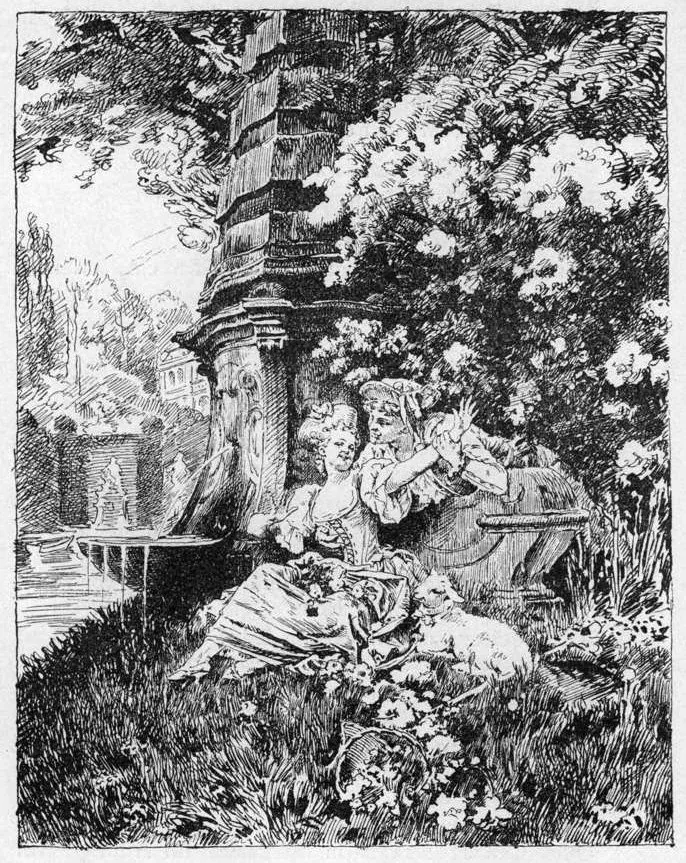
Lossow’s paintings draw on eighteenth-century costume, literature and mythology. Start with Garden Courtship to see how a setting frames a social encounter, or with The Enchantress to compare a painting with the poem that inspired it.
Paintings
Spinn Dotter Min by Heinrich Lossow
Introduction “Spinn Dotter Min” (Spin, My Daughter) references old folk song and traditional domestic labor that defined women’s lives for centuries. The title’s dialectal form—not standard German but regional variant—signals deliberate evocation of folk culture, traditional values, and romanticized vision of pre-industrial life when mothers taught daughters essential skills. Spinning was quintessential feminine work. Every …
Rothaarige Verfuhrung by Heinrich Lossow
Introduction Heinrich Lossow’s “Rothaarige Verfuhrung” (Red-Haired Seduction) announces its subject with directness unusual for Academic art. The title doesn’t hide behind classical mythology or historical allegory but states plainly: this is about red hair, and it’s about seduction. The combination wasn’t accidental—red hair carried specific cultural freight in 19th-century Europe, associations with danger, passion, wildness, …
The Hatter’s Visit by Heinrich Lossow
Introduction Heinrich Lossow’s “The Hatter’s Visit” brings commercial transaction into domestic intimacy. The hatter—specialist in women’s bonnets and hats—arrives at the home with wares and expertise, transforming drawing room into temporary shop where fashion, class performance, and economic exchange intersect in complex social choreography. This wasn’t minor commercial interaction but significant social event. The hatter’s …
Mei Suses Lieb by Heinrich Lossow
Introduction Mei Süßes Lieb (My Sweet Love) is endearment that immediately signals romantic subject. The dialectical German suggests folk culture or deliberately folksy romantic sentiment. 19th-century culture romanticized peasant life and folk traditions as authentic alternatives to urban sophistication. Titles in dialect added rustic charm, suggested the painting depicted simple, honest emotions rather than aristocratic …
Lekande Barn by Heinrich Lossow
Introduction Lekande Barn (Playing Children) captures universal subject—children at play, absorbed in their games, existing in that magical childhood space where imagination transforms ordinary objects into adventure. The Swedish title suggests either Swedish subject or Lossow working for Scandinavian market. Children’s play fascinated 19th-century artists because it represented innocence, spontaneity, freedom from adult constraints—everything modernity …
Pargis by Heinrich Lossow: The Mystery of the Untranslated Title
Introduction “Pargis” presents immediate puzzle—the title itself resists easy interpretation. Unlike Lossow’s more transparent German titles, “Pargis” doesn’t translate cleanly. It’s not standard German word, not obvious French borrowing, not clear historical reference. The title is mystery that shapes how we approach the painting. This opacity might be intentional. Sometimes obscure titles add mystique, make …
Junge Dame Im Freien by Heinrich Lossow: The Young Lady Outdoors
Introduction “Junge Dame Im Freien” (Young Lady Outdoors) captures that specifically 19th-century phenomenon—the respectable young woman taking outdoor leisure, properly dressed, appropriately positioned between nature and civilization, neither too wild nor too confined. The title itself is revealing. Not just “woman outdoors” but “young lady”—the German “Dame” carrying connotations of respectability, proper femininity, social standing. …
Rokokopaar Am Kaminfeuer by Heinrich Lossow: Rococo Romance by the Hearth
Introduction Fire brings people together. In “Rokokopaar Am Kaminfeuer” (Rococo Couple by the Fireplace), Heinrich Lossow combines two of his favorite subjects—18th-century Rococo elegance and intimate domestic moments organized around heat sources. The painting shows couple in elaborate period costume gathered near fireplace, creating scene that’s simultaneously historical fantasy and exploration of timeless intimacy. The …
Das Geständnis by Heinrich Lossow: The Confession
Introduction A confession changes everything. Before it, there’s secret, uncertainty, unspoken truth hanging in the air. After it, everything is different—acknowledged, revealed, made real through words. The moment of confession itself is charged with possibility and risk, intimacy and vulnerability, relief and fear. Heinrich Lossow’s “Das Geständnis” (The Confession) captures this loaded moment. Someone is …
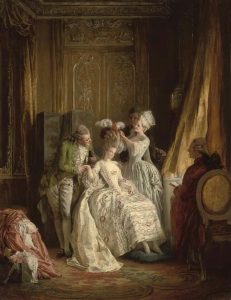
Marie Antoinette by Heinrich Lossow: The Doomed Queen as Eternal Muse
Introduction Marie Antoinette haunted 19th-century imagination like few historical figures. Decades after her execution in 1793, artists kept painting her—not the revolutionary mob’s villain but romanticized tragic queen, beautiful martyr, symbol of aristocratic elegance destroyed by modernity’s violence. Heinrich Lossow painting Marie Antoinette participated in this cultural obsession. By his time, she’d been dead for …